
As the Texas heat begins to ease and fall approaches Boerne, it's the perfect time to ensure your home's security systems are in top condition. The changing seasons bring different security challenges, from increased holiday travel to earlier sunsets that provide more cover for potential intruders. This comprehensive fall locksmith checklist will help you protect your Boerne home and family as we transition into the cooler months.
Why Fall Security Maintenance Matters in Boerne
Fall presents unique security considerations for Boerne homeowners. As the days grow shorter and darkness arrives earlier, your home becomes more vulnerable during typical evening hours. The upcoming holiday season means more packages delivered to doorsteps, increased travel, and unfortunately, a rise in property crimes. Additionally, the Texas Hill Country weather, while milder than summer, can still bring storms that may damage or compromise your locks and security hardware. Taking proactive steps now can prevent security breaches and costly emergency locksmith calls later.
The fall season also marks the beginning of the busiest travel period of the year, with Thanksgiving and winter holidays just around the corner. Before you leave town to visit family or welcome guests into your home, ensuring your locks and security systems are functioning properly gives you peace of mind.
Inspect All Entry Point Locks
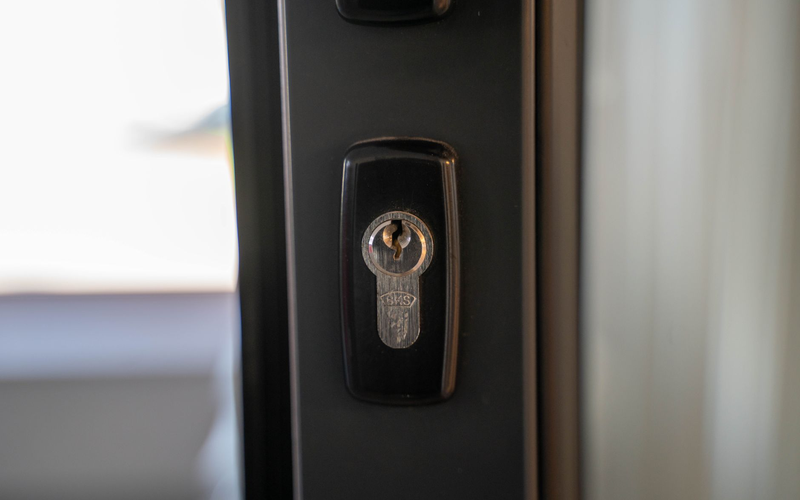
Your first line of defense starts with a thorough inspection of every lock on your property. Begin by testing each door lock, including front doors, back doors, garage entry doors, and any side entrances. Turn keys in each lock to ensure smooth operation without sticking or grinding. Locks that feel rough or require extra force may have internal wear that could lead to failure.
Check for these warning signs during your inspection:
- Keys that are difficult to insert or remove
- Locks that stick or require jiggling
- Loose door handles or deadbolts
- Visible rust or corrosion on lock hardware
- Keys that have become bent or worn
- Locks that don't fully engage or feel loose
Test and Upgrade Deadbolts
Deadbolts provide essential security for your Boerne home, but they're only effective when properly installed and maintained. Test each deadbolt by locking and unlocking it from both inside and outside. The bolt should extend fully into the door frame with at least one inch of throw. Anything less compromises your security significantly.
Examine the strike plate—the metal plate on the door frame where the deadbolt enters. It should be securely fastened with screws at least three inches long that penetrate into the wall studs. Many builder-grade installations use short screws that can be kicked in easily. Upgrading to longer screws is an inexpensive improvement that dramatically increases your door's resistance to forced entry.
Consider upgrading to Grade 1 deadbolts if your current locks are older or lower quality. Grade 1 deadbolts meet the highest security standards set by the American National Standards Institute (ANSI) and provide superior protection against picking, drilling, and physical attacks. For Boerne homeowners concerned about key control, smart deadbolts offer keyless entry options while maintaining high security standards.
Evaluate Window Lock Functionality
Windows represent vulnerable entry points that burglars often target, especially ground-floor windows obscured by landscaping. Check every window lock in your home to ensure it engages properly and holds the window secure. Slide windows open and closed to verify smooth operation—windows that stick might indicate frame warping that affects lock alignment.
For double-hung windows, verify that both the upper and lower sashes lock properly. Consider installing secondary locking devices like window pins or keyed locks for added security, particularly on windows that face secluded areas of your property. Sliding glass doors should have both lock bar mechanisms and auxiliary locks or security bars to prevent forced opening.
Basement windows deserve special attention since they're frequently forgotten during security checks. Make sure all basement window locks function correctly and consider installing window well covers to prevent unauthorized access. If your windows have outdated or broken locks, fall is the ideal time to upgrade before winter weather makes the job more challenging.
Lubricate and Maintain Lock Mechanisms
Proper lubrication keeps locks functioning smoothly and extends their lifespan. However, using the wrong lubricant can attract dirt and gum up the internal mechanisms. Avoid oil-based products or WD-40, which can accumulate debris over time. Instead, use dry graphite lubricant or a silicone-based spray specifically designed for locks.
To lubricate a lock properly, insert the nozzle into the keyway and apply a small amount of lubricant. Insert your key and turn it several times to distribute the lubricant throughout the internal pins and springs. Wipe away any excess to prevent dirt accumulation.
Door hinges also benefit from lubrication. Squeaky or stiff hinges put extra stress on locks and can make doors easier to force open. Apply a silicone spray or light machine oil to each hinge pin, opening and closing the door several times to work in the lubricant. This simple maintenance task prevents annoying squeaks and ensures doors operate smoothly.
Review Your Key Management System
Fall is an excellent time to audit who has keys to your home. Have you given keys to contractors, housesitters, or previous residents who no longer need access? Lost track of spare keys hidden around your property? These represent serious security vulnerabilities that need addressing.
Create a comprehensive list of everyone with a key to your Boerne home. If you can't account for all keys or if anyone with access no longer needs it, consider rekeying your locks. Rekeying changes the internal pin configuration so old keys no longer work, while new keys provide access. This service costs significantly less than replacing all your locks while providing the same security benefits.
If you have multiple family members coming and going, consider implementing a smart lock system that uses codes instead of traditional keys. This eliminates the worry of lost keys and allows you to grant temporary access to visitors, service providers, or short-term guests. You can also track who enters your home and when, providing valuable information if security concerns arise.
Upgrade to Smart Lock Technology
Smart locks have evolved significantly and now offer robust security features alongside convenience benefits perfect for busy Boerne families. Modern smart locks allow keyless entry via smartphone apps, keypad codes, or biometric readers while maintaining the option for traditional key backup.
The advantages of smart locks become especially apparent during fall and winter:
- Grant temporary access codes to holiday guests without duplicating keys
- Receive notifications when children arrive home from school
- Lock or unlock doors remotely if you forget before leaving
- Eliminate hiding spare keys in vulnerable outdoor locations
- Track entry and exit activity for enhanced security awareness
- Integrate with home security systems for comprehensive protection
Reinforce Door Frames and Strike Plates
Even the strongest lock fails if the door frame gives way under pressure. Many break-ins succeed not by picking or bumping locks, but by simply kicking in doors with weak frames. Inspect your door frames for any cracks, rot, or weakness, paying particular attention to the area around the strike plate.
Reinforce vulnerable door frames with metal reinforcement plates. These heavy-gauge steel plates distribute force across a larger area and prevent the frame from splintering when struck. Door jamb reinforcement kits are available at hardware stores, but professional installation ensures proper placement and maximum effectiveness.
The strike plate itself should be high-security grade, measuring at least three inches long with four screws penetrating deep into the wall studs. Standard strike plates that come with builder-grade locks use short screws that anchor only into the thin door jamb trim, providing minimal resistance to forced entry. This upgrade takes less than an hour but dramatically improves your home's security.
Secure Sliding Doors and French Doors
Sliding glass doors and French doors present unique security challenges due to their design. Sliding doors can be lifted off their tracks or forced open despite locked handles. Prevent this by installing anti-lift devices that secure the door in its track. Place a security bar or cut-to-fit wooden dowel in the lower track to prevent forced sliding.
French doors typically meet in the middle with one active door and one stationary door. The stationary door should have slide bolts at the top and bottom that extend into the door frame. Check that these bolts engage fully and operate smoothly. The active door requires a high-quality deadbolt that extends into the stationary door's edge.
Consider adding security film to glass doors and windows. While not completely burglar-proof, security film holds shattered glass together, making it much harder and time-consuming to gain entry. This added obstacle often convinces intruders to abandon their attempts and move to easier targets.
Check Garage Door Security
Many homeowners overlook garage security, yet the garage often provides the easiest access to your home. If your garage connects to your house, securing it becomes even more critical. Test your automatic garage door opener to ensure it functions properly and hasn't developed any quirks that might leave your garage vulnerable.
Modern garage door openers use rolling code technology that changes the access code each time you use the remote, preventing code grabbing by thieves. If your opener is more than 15 years old, it likely lacks this feature and should be upgraded. Also, ensure you haven't left the manufacturer's default code unchanged, as burglars often know these standard codes.
The door connecting your garage to your house deserves the same security attention as your front door. Install a solid core or metal door with a Grade 1 deadbolt. Many homeowners use hollow core doors with simple keyed entry locks for this connection, essentially leaving their home unsecured once the garage is breached.
For manual garage doors, install a garage door lock or padlock when you're away for extended periods. Cover garage windows or install frosted film so potential intruders can't see inside to determine if you're home or identify valuables worth stealing.
Establish Emergency Access Procedures
While securing your home is paramount, you also need reliable emergency access procedures that don't compromise security. Hiding keys under doormats, flowerpots, or fake rocks ranks among the first places burglars look. Instead, consider these safer alternatives:
- Store a spare key with a trusted neighbor who's usually home
- Install a high-security lockbox with a combination code in a discreet location
- Use a smart lock with backup access codes for family members
- Keep a spare key in your wallet or purse when away from home
Schedule Professional Lock Inspection
While homeowners can handle basic lock maintenance, a professional locksmith inspection provides expert evaluation of your entire home security system. Professional locksmiths identify vulnerabilities you might miss and recommend security improvements tailored to your specific situation and budget.
During a professional inspection, a certified locksmith will:
- Evaluate all locks for wear, damage, or security weaknesses
- Test lock operation and alignment with strike plates
- Assess door and frame integrity
- Recommend appropriate upgrades based on your security needs
- Identify any locks that should be rekeyed or replaced
- Provide estimates for recommended improvements
Update Home Security Integration
Modern home security extends beyond physical locks to include integrated systems that work together. Fall is an ideal time to review how your various security components coordinate. If you have a security system, verify that all door and window sensors function correctly and that you've updated contact information for monitoring services.
Smart home integration allows your locks to communicate with lights, cameras, and alarm systems. For example, unlocking your front door can trigger interior lights to turn on, creating the appearance of an occupied home even when you're arriving after dark. Security cameras positioned to monitor entry points provide visual verification of who's accessing your home.
Ensure all system batteries are fresh and backup power supplies work correctly. Update any security apps on your smartphone and verify that all family members have appropriate access levels. Review notification settings so you receive alerts about important security events without being overwhelmed by routine activity.
Prepare for Holiday Travel
The fall season leads into the busiest travel period of the year, making home security even more critical. Before traveling for Thanksgiving or winter holidays, take these additional security steps:
- Stop mail and newspaper delivery or have a neighbor collect them
- Arrange for someone to park in your driveway occasionally
- Use light timers to create the appearance of occupancy
- Avoid announcing travel plans on social media
- Ensure all doors and windows are locked before leaving
- Consider a house sitter for extended absences
- Notify trusted neighbors of your travel dates
- Verify your security system is armed and monitoring
Frequently Asked Questions
How often should locks be replaced? High-quality residential locks typically last 7-10 years with proper maintenance. However, replace locks immediately if you experience a break-in, lose keys, or notice significant wear. Smart locks may need updating more frequently as technology advances.
Can I rekey locks myself? While DIY rekeying kits exist, professional rekeying ensures proper pin configuration and guarantees that old keys no longer work. Professional service also includes inspection of lock condition and recommendations for any necessary repairs or replacements.
What's the difference between rekeying and replacing locks? Rekeying changes the internal pin configuration so a new key works while old keys don't. It's more affordable and faster than replacement. Replace locks when they're damaged, worn out, or when you want to upgrade to higher security or smart lock features.
Are smart locks secure? Quality smart locks from established manufacturers provide excellent security when properly installed and maintained. Choose models with strong encryption, regular security updates, and backup mechanical key access. Avoid cheap models from unknown brands that may have security vulnerabilities.
How can I tell if my locks need maintenance? Warning signs include difficulty turning keys, sticking or grinding sensations, keys that won't insert smoothly, visible rust or corrosion, loose hardware, or any lock that doesn't fully engage. Address these issues promptly to prevent complete failure.
Protect Your Boerne Home This Fall
Completing this fall locksmith checklist ensures your Boerne home remains secure through the changing seasons ahead. While many maintenance tasks are straightforward, don't hesitate to call professionals for complex issues or when you need expert security advice. The investment in proper lock maintenance and security upgrades pays dividends in peace of mind and protection for your family and property.
At Boerne Locksmith, we understand the unique security needs of Hill Country homes and provide comprehensive locksmith services to keep your property safe. Whether you need a simple lock rekey, complete security system upgrade, or emergency lockout assistance, our experienced team is ready to help.
Don't wait for a security emergency to address lock and security issues. Contact Boerne Locksmith today to schedule your fall security inspection or discuss upgrades that will protect your home through the holidays and beyond. We're your trusted local security partner, serving the Boerne community with professional, reliable locksmith services whenever you need us.